Many patients say that they’ve fallen out of love with their smiles due to dental imperfections like chips, cracks, and discoloration. At Dr. Glen’s Happy Teeth, we believe everyone should feel good when they look in the mirror, and that’s why we often recommend porcelain veneers. These incredible restorations can cover many dental issues at once, cutting down on treatment time and providing long-lasting and highly customizable results. If you’re curious about veneers, scheduling a consultation with our team is a great place to start.

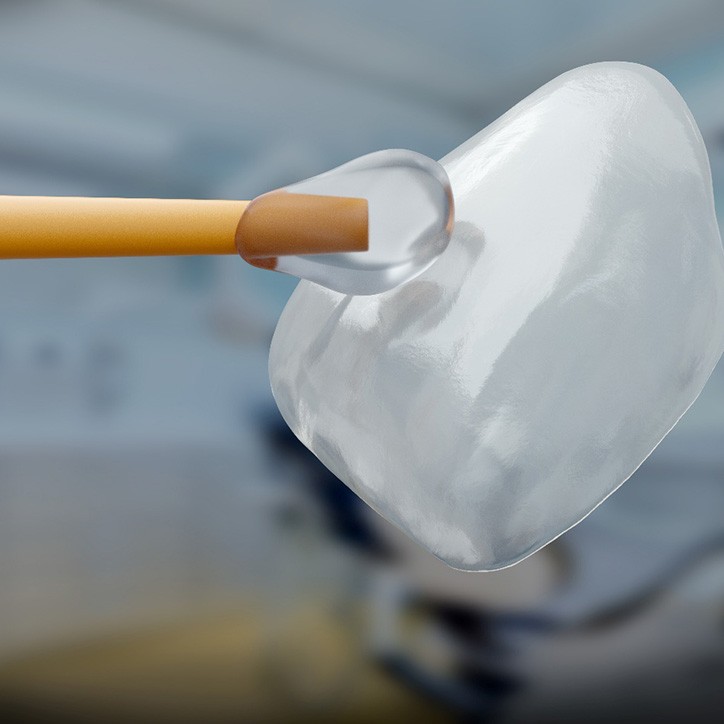
Veneers are thin, personalized, porcelain restorations that cover the front surface of treated teeth. Once in place, they can provide a cover for multiple dental imperfections at once, creating a complete smile transformation with just one treatment. Examples of dental flaws they can treat include:
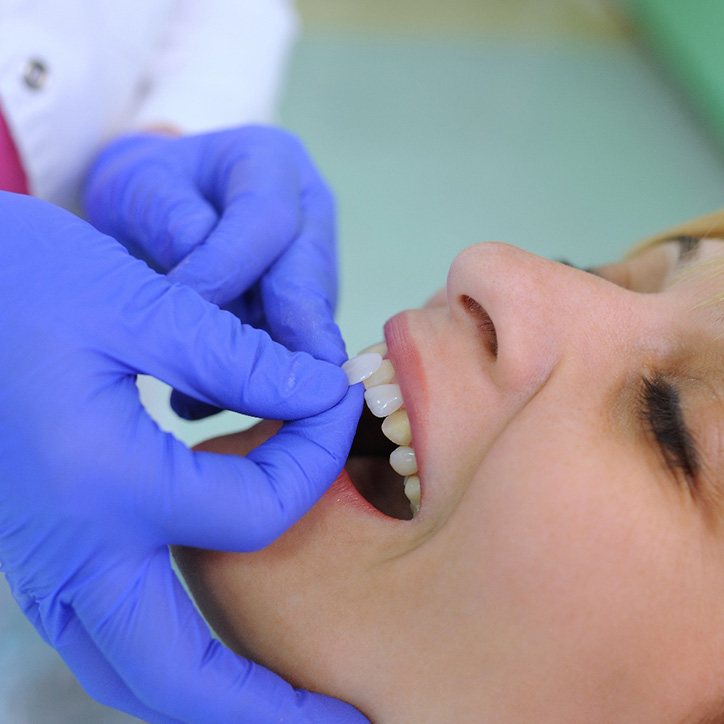
When you decide to get veneers, the process is simple and requires just a little investment of your time. During your first appointment, you’ll meet with one of our talented cosmetic dentists for a short examination. They’ll check your teeth and gums for structural stability and discuss your goals with you before moving forward.
Next, your teeth are prepared using specialized instruments, removing a very thin layer of enamel from the front of each tooth. This is done to ensure that your enhancements sit flush against your teeth and provide a seamless smile.
Impressions are then taken of your teeth and sent to a trusted dental lab so your permanent restorations can be fabricated. Until then, we’ll provide temporary ones to protect your smile and give you a preview of what’s to come.
When you return to our office for your final appointment, we’ll carefully bond your permanent veneers to your teeth and make any necessary adjustments. Once that’s done, you’ll be able to walk out with a new, confident smile!

The benefits of veneers are numerous, from aesthetics to function. Here are some of the ways your veneers will improve your quality of life:
Highly Customizable: Whether you only want to cover a couple of problem teeth or your whole smile, veneers can serve you well. Their flexible application means you can control the way your results look from start to finish.
Veneers are known for their incredible resilience, leading some patients to wonder whether they are a permanent solution. However, despite their strength, these shells can eventually wear down and require replacement. As a result, they’re usually considered long-term rather than permanent.
With that said, for veneers to fit correctly, our team must remove a small amount of enamel, which doesn’t regenerate. That means placing these restorations involves making an irreversible change that slightly weakens the structure of your teeth. Fortunately, they’re usually strong enough to help protect the underlying teeth from harm.
These protective covers are coated with a glaze that’s durable enough to help them resist a certain amount of damage and discoloration. Some patients assume that means they’re unlikely to ever develop oral issues with veneers in place, but nothing could be further from the truth.
These shells only cover the fronts of your enamel and leave the remaining surfaces exposed, so they’re still susceptible to cavities, gum disease, and injuries. Thankfully, you can help prevent many common dental concerns by brushing and flossing twice daily and visiting our team for routine checkups and cleanings every six months.
Many people are aware that drinking darkly tinted beverages, like coffee, tea, and wine, can leave their teeth looking dark or dirty. It’s natural to question whether consuming them might affect the results of your recent cosmetic enhancement.
Veneers are less porous than natural enamel, so they’re more resistant to stains, but that doesn’t mean they’ll never become discolored. Repeated or prolonged exposure could leave them a darker hue, and they don’t respond to topical teeth whitening. You can avoid potential blemishes by avoiding darkly tinted foods, maintaining a consistent at-home dental hygiene routine, and scheduling standard checkups on a regular basis.
These restorations typically only measure about 0.2 to 0.5 mm thick, which is quite thin. However, it can still take your tongue, lips, and the other sensitive tissues in your mouth a few weeks to fully acclimate to their presence on your teeth.
It’s possible to develop a temporary lisp during this time, especially around specific sounds, like “s”, “v”, or “th”. You can ease this transition by practicing reading out loud at home and recording yourself to notice challenging words or sounds. Then, you can rehearse them until you feel more confident in your enunciation. If you have ongoing concerns, please contact our office. We may be able to thin your restorations to minimize the effect.